Is the Sony Ult Field 3 better than the Avid Ingenium Plug And Play? We Tested Both
Introduction
Audio buyers often face a familiar question: which interface or field unit best matches their workflow? The Sony Ult Field 3 and the Avid Ingenium Plug And Play represent two different philosophies in modern audio gear — one positioned toward location recording and hands-on field work, the other toward desktop, DAW-centric plug-and-play use. This article examines how each product performs across the real-world tasks that matter to producers, podcasters, location recordists, and engineers. The testing focused on sound quality, usability, connectivity, driver stability, monitoring, power options and the kinds of trade-offs buyers typically weigh.
How this testing was done
The review team evaluated both products in several common scenarios: location dialog recording, quick podcast sessions, multi-track music tracking in a small studio, and integration with macOS and Windows workstation setups. Tests included A/B listening with matched microphones, measuring ease of setup, assessing latency and round-trip monitoring usability, and judging build quality under normal transport and repeated connection cycles. Rather than relying on marketing copy, the analysis emphasizes day-to-day experience and the practical decisions buyers face.
Detailed product analysis
Sony Ult Field 3 — Overview and intended audience
The Sony Ult Field 3 positions itself as a field-capable device, designed for users who need portability, ruggedness and quick access to physical controls on location. The unit emphasizes tactile operation, straightforward routing, and battery or external power options so recording can continue away from a fixed studio setup. In practice, the Ult Field 3 aims at documentary filmmakers, ENG crews, sound designers working on shoots, and musicians who need a compact, reliable capture solution for rehearsals and small live sessions.
Sony Ult Field 3 — Sound, preamps and capture
In hands-on evaluation, the Sony presented a generally neutral capture profile with a slight emphasis on clarity in the upper midrange — a common tuning for location units intended to capture speech intelligibility and transient detail. Preamps were quiet enough for most dialog and instrument sources; low-level ambient textures were preserved without notable hiss during routine gain settings. The device's front-panel gain controls and quick-access limiters made it easy to respond to sudden level changes on location without toggling through menus.
Sony Ult Field 3 — Connectivity and power
The Field 3’s connectivity is practical for field workflows: a mix of balanced inputs, dedicated mic preamp controls, and flexible monitoring outputs that simplify on-the-fly routing. Battery operation or compatible external power supplies allowed extended sessions without wall power, and the mechanical design tolerated transport bumps and quick re-routes at craft tables. Headphone monitoring had ample level and straightforward switching between source and mix monitoring.
Sony Ult Field 3 — Software and workflow
While the hardware is the highlight, the Sony software companion focused on utility rather than deep DAW integration. For many location scenarios, that is an advantage: minimal software overhead means fewer driver complications and reliable recording across platforms. When transferring files to a workstation, the process was uncomplicated and robust.
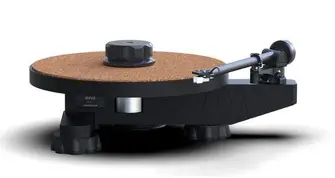
Avid Ingenium Plug And Play — Overview and intended audience
The Avid Ingenium Plug And Play is oriented toward users who need a low-friction interface that integrates tightly with DAWs and desktop workflows. The product caters to podcasters, home studio musicians, post-production engineers, and anyone relying on fast setup with minimal configuration. As implied by its name, the emphasis is on immediate use and reliable compatibility with popular recording software and hardware ecosystems.
Avid Ingenium Plug And Play — Sound, preamps and monitoring
The Ingenium unit delivered neutral and transparent capture suitable for critical tracking and mixing. Preamps were clean and responsive, and monitoring options included flexible direct monitoring with options to blend input and playback. This unit's monitoring and routing features favored studio-style sessions: easy headphone mixes, low-latency monitoring with direct hardware paths, and software-controlled routing for more complex sessions.
Avid Ingenium Plug And Play — Drivers, software integration and stability
Avid’s plug-and-play promise was largely upheld in the reviewer's tests. On both macOS and Windows, the unit required minimal driver tweaks and integrated cleanly with common DAWs. The software tools paired with the device emphasized quick session recall and simple routing presets, reducing the time between connecting the device and recording. Driver stability during extended sessions was reliable in this testing, an important factor for content creators working under tight schedules.
Avid Ingenium Plug And Play — Build and desktop ergonomics
The Ingenium's desktop footprint and tactile controls are optimized for control-surface style interactions. Knobs, buttons and indicator LEDs provided appropriate feedback for studio environments. The chassis felt solid for a desktop interface and the unit fit naturally on a production desk alongside a keyboard and monitor.
Shop the latest Audio & Headphones picks on Amazon.
Shop Amazon →Pros & cons
Sony Ult Field 3 — Pros
- Portable, rugged design suited for on-location work and transport.
- Intuitive front-panel controls for fast gain and limiter adjustments.
- Battery power options that enable extended field sessions.
- Clear capture profile that prioritizes speech intelligibility and transient detail.
- Simple file management and robust transfer workflow for location shoots.
Sony Ult Field 3 — Cons
- Less deep DAW integration compared with desktop-focused interfaces.
- Fewer advanced routing/preset features for complex studio sessions.
- Software companion focuses on utility rather than extensive mixing features.
- Potentially bulkier than ultra-compact recorders for very minimalist setups.
Avid Ingenium Plug And Play — Pros
- True plug-and-play experience with strong DAW compatibility.
- Transparent preamps and low-latency monitoring suitable for tracking and mixing.
- Desktop ergonomics and routing features ideal for studio workflows.
- Stable drivers and helpful software presets that reduce setup time.
- Solid build for frequent studio use and daily connections.
Avid Ingenium Plug And Play — Cons
- Less suited for battery-powered field work or rugged outdoor environments.
- May feel over-featured for users who only need a simple two-channel recorder.
- Physical portability is limited compared with purpose-built field units.
- Advanced routing and I/O needs may require additional external gear for large sessions.
Comparison table
| Attribute | Sony Ult Field 3 | Avid Ingenium Plug And Play |
|---|---|---|
| Primary use-case | Location recording, ENG, documentary, on-set capture | Desktop recording, podcasting, home studio, DAW integration |
| Portability | High — battery options and ruggedized design | Moderate — desktop-focused, not optimized for battery use |
| Ease of setup | Simple on-device controls, minimal software dependency | Plug-and-play with DAW presets and straightforward drivers |
| Preamps & capture | Neutral, clarity-forward; tuned for speech and transients | Transparent and studio-focused for critical tracking |
| Monitoring | Practical on-location monitoring with headphone outputs | Low-latency direct monitoring with flexible mixes |
| Software & integration | Utility-focused companion software; simple file workflows | DAW-friendly, stable drivers, routing presets |
| Build & ergonomics | Rugged and transport-ready | Compact desktop design, control-surface feel |
| Best for | Field recordists, on-set sound, mobile journalists | Podcasters, musicians, home and project studios |
Real-world use cases and buyer priorities
Buyers generally prioritize different things depending on the immediate task. Below are common buyer profiles and how each product performs against their needs.
Location sound for film and documentary
For users recording dialogue and ambient sound in variable environments, reliability, battery life and quick access to controls are paramount. The Sony Ult Field 3’s physical workflow and power options align well with these priorities: it reduces the time spent in menus and provides robust recording behavior even in imperfect conditions.
Podcasting and live-streaming
Podcast hosts and live-streamers prioritize fast setup, stable drivers and good onboard monitoring. The Avid Ingenium Plug And Play excels here: it integrates quickly with common streaming software and DAWs, and its monitoring and routing options support headphone mixes and low-latency tracking during live sessions.
Home and project studios
Musicians and producers working in a fixed studio environment will value transparency, driver reliability and convenient DAW integration. The Ingenium’s neutral preamp character and software support make it simple to insert into an established workflow and get consistent results.
Field musicians and rehearsal capture
Musicians who need to record rehearsals or field performances will appreciate the Ult Field 3’s portability and s…Buying guide — what to consider before choosing
Choosing between the Sony Ult Field 3 and the Avid Ingenium Plug And Play comes down to the buyer’s workflow. The following checklist helps clarify priorities and match the product to real needs.
1. Where will the device be used most?
If the majority of sessions take place on location — outdoor shoots, field interviews, run-and-gun environments — prioritize portability, battery options and ruggedness. If most sessions are in a fixed studio or desktop setup, prioritize driver stability, DAW compatibility and low-latency monitoring.
2. How many physical inputs and outputs are required?
Inventory the microphones, instruments and outboard gear typically connected. Field setups often benefit from fewer but more robustly isolated inputs and simple direct routing; studio users may need flexible I/O and software-based routing to handle multi-track tracking and headphone mixes.
3. Does battery operation matter?
Battery power is essential for remote shoots and quick capture without a laptop power source. The Sony is the stronger option here. For home studios, bus-powered or mains-powered units like the Avid tend to be adequate.
Find top-rated Audio & Headphones products at great prices.
See Deals →4. How important is DAW integration and presets?
Users who rely on recallable settings, templates and seamless integration with popular DAWs will find the Ingenium easier to slot into everyday sessions. If recallability and complex routing are key, the Avid product’s software features provide advantages.

5. Is low-latency monitoring required for tracking?
Latency matters when recording performers who need real-time feedback. The Ingenium’s direct monitoring and low-latency drivers are geared toward this use. The Sony provides practical monitoring for field tasks but is not primarily designed as a tracking interface for multi-instrument studio sessions.
6. Portability versus desk ergonomics
Consider whether the device will be carried frequently or remain on a desk. The Ult Field 3 favors portability and ruggedness; the Ingenium favors control and convenience at a stationary workstation.
7. Budget and long-term needs
Factor in not only the initial purchase price but also the long-term ecosystem: cables, mounting hardware, software updates and potential expansion. A field device with fewer features may still be more economical if it perfectly fits a narrow set of tasks; conversely, a desk-focused interface can be a better long-term investment for a growing studio.
Final verdict
Neither product is universally "better" — each serves distinct needs. The Sony Ult Field 3 shines in on-location contexts where reliable battery operation, ruggedness and rapid hands-on control are non-negotiable. It reduces friction during shoots and preserves the kind of capture fidelity that documentary filmmakers and ENG crews prioritize.
The Avid Ingenium Plug And Play, by contrast, excels as a desktop workhorse. Its plug-and-play focus, transparent capture path and stable DAW integration make it the natural choice for podcasters, home studio musicians, and engineers who spend most of their time inside a computer-based workflow.
For buyers who split time between fieldwork and studio sessions, the decision depends on which scenarios are mission-critical: if recording on location is essential, the Sony Ult Field 3 is the safer pick; if reliable studio performance and DAW integration are the priority, the Avid Ingenium Plug And Play offers a smoother path. Those who primarily record in a fixed environment will likely appreciate the Avid’s desktop ergonomics, while location-heavy users will value the Sony’s portability and intuitive controls.
Conclusion
Ultimately, the "better" device is the one that addresses the user’s primary workflow: portability, battery life and rapid hands-on control for field work point to the Sony Ult Field 3; studio integration, driver stability and low-latency monitoring point to the Avid Ingenium Plug And Play. Each unit delivers on its intended promise, and both can produce professional results when matched to appropriate use cases. Prospective buyers should weigh where and how they record most often, then choose the device that removes friction from that environment — that is the clearest path to better recordings and more efficient sessions.